

The modern fairytale of Emily has captured the hearts of all the youth who have watched the show since 2020.
Today, we are going over the exciting pop-culture moments the show has given us and what marketers can learn from Emily in Paris.
Emily in Paris, besides the beautiful backdrop of Paris and the amazing fashion, the show holds some key marketing strategies that can make your life easier and help your business grow.
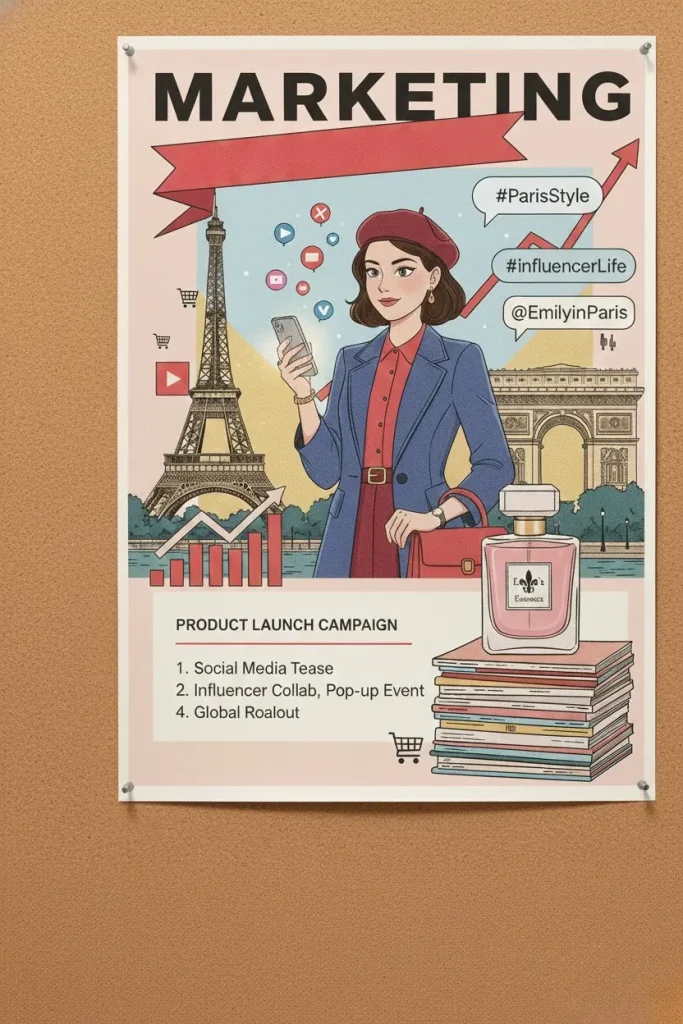
Table of Contents
Key marketing lessons from emily in paris
1.Be socially present like Emily
Emily Cooper is right about: Social media presence. It carries vital importance for a brand in this day and age. Make sure to share your life, thought,s just like Emily. It gives a personal touch to your followers.
- Example: Upon her arrival in Paris, Emily starts sharing glimpses of her journey through Paris. Number of her followers rapidly began to increase rapidly with this. Because her followers were feeling a personal touch and were keen to know more about her journey in Paris.
On the contrary, using social media isn’t about being on all channels. It is about utilising the most appropriate channels for your business. Choose the best channel to reach your target audience after determining who your target audience is.
2. Content that converts
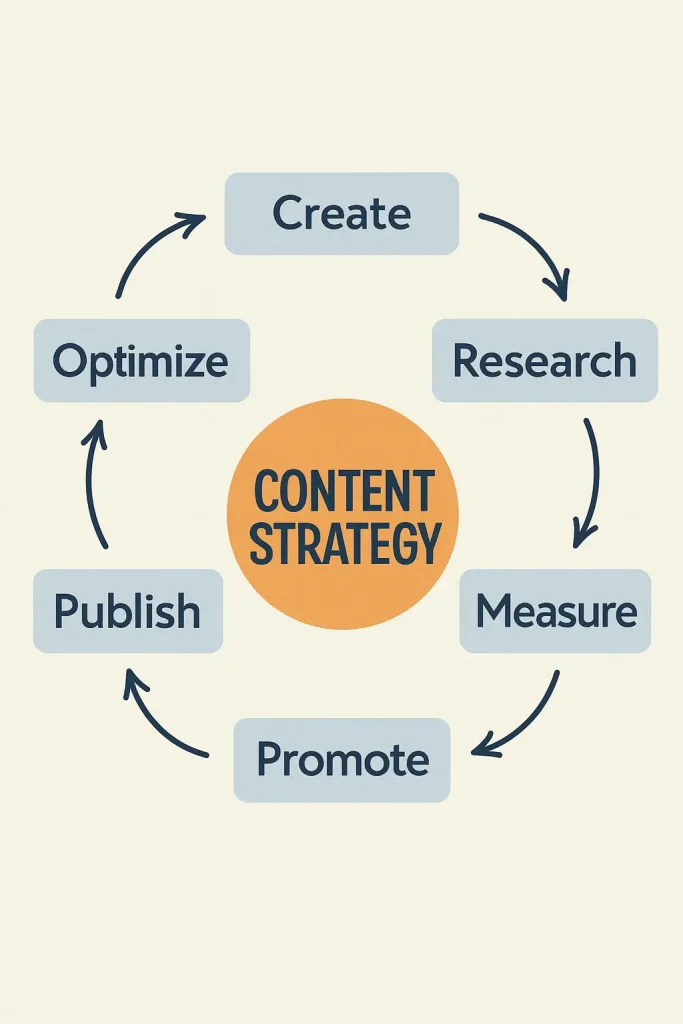
Be authentic and relatable like Emily. She shares her genuine experiences, which helps her connect with her followers on a personal level. Posting the right content has become the most difficult task in the new digital age. Most of the brands know the value of social media presence, but they lack a content strategy to support it.
- Example: On the show, Emily and her colleagues have extensive meetings to design content strategies for every brand. We see them brainstorm their ideas and discuss them in internal meetings, picking out the best ones from the lot.
3. Influencer Marketing is a powerful tool
In the show, Emily collaborates with influencers to increase brand awareness. Collaborating with influencers can help you reach a larger and more targeted audience.
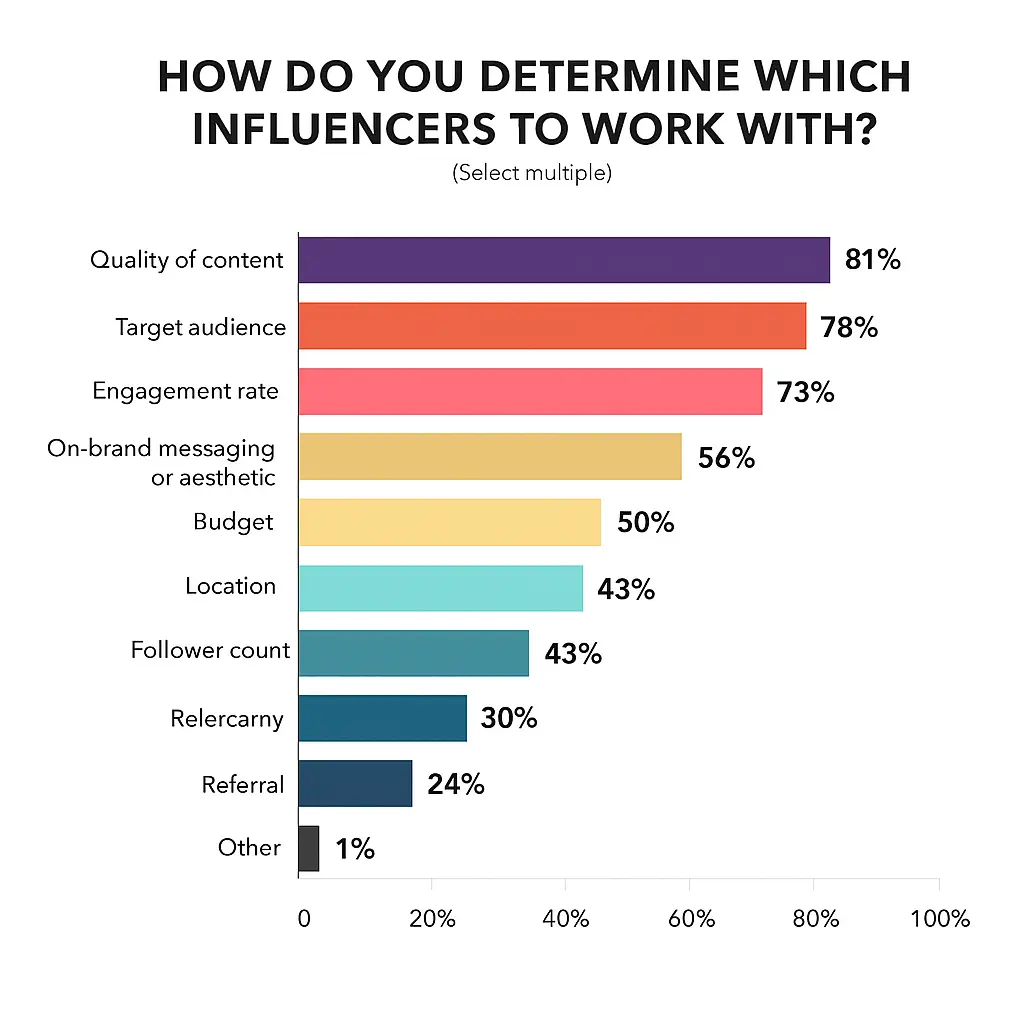
An essential thing that Emily kept in mind is not to pick an influencer based on their follower count. Brands must collaborate with influencers who align with the brand’s image and vision.
- Example: Emily gives considerable importance to influencer marketing. She gets invited to a Duree event to promote the brand as a micro-influencer. We also see her deploy Pierre Cadault for his fashion line’s marketing since he is a personality.
4. Keep Users as the center of the Marketing Campaign
Involving the user in your marketing campaign makes them feel important and more connected to your brand. Emily sheds plenty of light on the role of user experience, which is the driving factor of a campaign’s success.
As the users’ opinions of your brand, campaigns, and products become the ultimate deciders. Thus, it is meaningful to design marketing campaigns for and about the user.
- Example: When marketing for a firm that sells beds, Emily installs the brand’s beds across Paris’ most attractive locations. She then leverages social media to invite visitors to “sleep with” Hasten, the brand.

Whoever tried the bed could take a picture and upload it on their Instagram, tagging the brand and thus spreading the word about Hasten beds.This increase the brand awareness and gave user experience.
5. Emily and her Creative Marketing skills
Emily inspires us to be creative and think out of the box. With every campaign she comes up with innovative ideas. Marketing is an ever-evolving field that demands us to stay updated and experiment.
- Example: Emily is always excited about pitching ideas and takes criticism positively. She also experiments a lot with her content ideas for all her clients. We also see her publish a risque image of an actress’ house floor flaunting the Pierre Cadault dress and decide to host a client party on the cruise due to the unavailability of venues.
6. Start Conversations through Content
It is essential to showcase your brand’s ideals, aims, and potential to the audience. You can do so by making topical content, catching up on trends in relevant industries, or even better, making new trends that take hold of your users’ attention. Such campaigns leave an impression and increase user engagement.
Interactive content, such as quizzes and polls, can increase engagement and provide valuable insights into your audience’s preferences. Emily’s campaigns often include interactive elements that engage her audience.
- Example: Emily designs a collaboration strategy for Pierre Cadault and Rimowa, printing Pierre’s face on Rimowa’s new collection of bags. Thus, by bringing together two fashion giants, the product becomes the talk of the town wherever it is spotted.
Marketing Myths and Mistakes
Myth #Quantity of leads
Bringing huge amount of leads makes you happy at first place but will it convert into sales?
The Reality : you need genuine leads
As always, quality overcomes quantity. Simply achieving a large number of leads is not enough. You need qualified leads who have a genuine interest in your product or who can easily be nurtured along the conversion funnel.
Myth # Emailing leads is a waste of time
Marketing has moved on beyond email. Emails are simply ignored, and it’s far more effective to target leads on social media or via other channels.
The Reality: Emails need to be a key part of your strategy.
This is one of the biggest internet marketing myths in 2021, and email is certainly not a waste of time. Email marketing remains a powerful tool, as it builds trust in your brand among consumers.
Today, as well, consumers trust more on emails than WhatsApp messages, Text messages.
Email marketing turns out to be cost-effective and measurable.
Myth: #A great product is that you need
There are beliefs that great product sells itself. But you need right marketing strategies and market to sell your product.
The Reality: You need to rightly market your product
Don’t assume that your audience will recognize greatness in your product all by themselves. You still need to tell them why they need the product, what’s different about your product, and marketing is a crucial aspect of this.
Best Practices in Marketing from Emily in Paris
Below are some best practices inspired by Emily in Paris that will go a long way in ensuring the effectiveness of your marketing effort. Each of her marketing tactics perfectly captures the essence of modern marketing, along with strategies you could use for the most perfect outcomes in your service-based business.
1. Define Your UVP – The Unique Value Proposition
Throughout the series, Emily shows how she knows and can express the unique value proposition the brands she is working for provide. For example, when pitching the social media campaign of the luxury brand, she dictates what makes them different from the rest in the market.
Lesson for Your Business: Clearly articulate what differentiates your business from the rest. Your UVP should form the core of all your marketing messages. Let them know why your clients should choose you, whether through exclusive personalized service, specialized expertise, or quality that others just can’t provide.
2. Invest in Professional Branding
Emily understands how to maintain a brand’s image, from updating the marketing materials of a French perfumery to showing up in her best light on social media.
Takeaway for your business: Professional branding gives your business an identity that is unified and noticeable. This will include a logo, website design, along with marketing materials. Investing in high-quality visuals and consistent branding yields a lasting impression.
3. Be Consistent
One of the strengths she has is that Emily is consistent with social media. She posts content regularly that is very engaging, which keeps people wanting more and makes them remember her personal brand.
Lesson for Your Business: Consistency in branding, messaging, and posting frequency creates trust and recognition with your audience. Go through a regular cadence with your marketing activities; from social media posts to email newsletters, make sure they are consistent.
4. Focus on Customer Experience
What repeats is the theme of Emily’s connecting with people and making it a memorable experience. Be it organizing an event for influencers or sorting out the issues that come up from clients, she makes sure customer satisfaction is ultimate.
Lesson for Your Business: Pleased customers will come back for more and tell others. Make sure every point of contact with your business, from the first inquiry to post-service follow-up, is beyond their expectations. Satisfied clients are your best salesman.
5. Keep Up with Trends
Emily adapts to current trends and technologies at record speed. She utilizes her Instagram with its fullest potential, constantly keeping her eyes peeled for what’s new in marketing to refresh her strategies.
Lesson for your business: Be up to date on your industry, and modify your strategies accordingly. In fact, sometimes this means adopting new technologies, platforms, or maybe marketing techniques. Agility and innovation can help you start to develop a competitive advantage.
Conclusively, what do you think about these tips?
Would you like to incorporate these into your next marketing campaign? Let us know in the comments below. Moreover, if you want expert assistance to carry out fruitful brand campaigns in the future, connect with us here and we’ll be there for you!
Frequently Asked Questions FAQ’S
Q: Why is understanding the target audience important in marketing?
A: Because marketing that speaks to everyone connects with no one. Knowing your audience helps you create content, ads, and messaging that actually convert.
Q: How can brands identify their audience?
A: By analysing demographics, online behaviour, pain points, social media insights, and customer feedback.
Q: Does brand consistency really matter?
A: Yes. Consistent visuals, tone, and messaging make your brand recognisable and trustworthy across all platforms.
Q: What should remain consistent in branding?
A: Logo usage, colour palette, fonts, brand voice, content style, and posting frequency.
Q: Is posting regularly enough for growth?
A: No. Content should provide value, tell a story, or solve a problem, not just fill the feed.
Q: What type of content performs best today?
A: Short-form videos, storytelling reels, educational posts, relatable memes, and behind-the-scenes content.
Q: Why does storytelling work in marketing?
A: Stories create emotional connections, making audiences remember your brand rather than just your product.
Q: How can brands use storytelling?
A: Through founder stories, customer experiences, before-after journeys, and problem-solution narratives.
Q: Why is data important in marketing?
A: Data helps measure what’s working and what’s not, ensuring better ROI and smarter strategies.
Q: Which metrics should brands track?
A: Engagement rate, reach, impressions, click-through rate, conversions, and audience retention.
Q: Can marketing give instant results?
A: Some campaigns can, but sustainable growth comes from consistent efforts over time.
Q: How long does it take to see real marketing results?
A: Usually 3–6 months of strategic and consistent marketing for visible brand growth.